


RentRedi for Tenants & Owners
4.41.18K Reviews
App Specs
- Version
- 6.630
- Updated On
- License
- Free
- Downloads
- 100,000+
- Developer
- RentRedi Inc
- Categories
- House & Home
- Platform
- Android, iOS
Screenshots
 Analysis by AppCompare
In a shared home, renting problems rarely belong to just one person. A tenant may be the one paying rent, while a roommate notices the dripping tap or a partner needs to know whether a repair request has been sent. I see RentRedi as most useful when the people involved want rental tasks gathered in one place rather than scattered across texts, email, paper notes, and calls. It is a free House & Home app from RentRedi Inc, intended for both tenants and property owners.
When a rental household needs one point of reference
Picture a busy weekday: one roommate is leaving for work, another spots water under the kitchen sink, and the person who usually handles rent is away from home. Having a place to submit a maintenance request and keep track of it can make the next step clearer than trying to remember who texted the landlord. For rent, being able to see payment activity in the app can also help a household check its own records before asking whether a payment went through.
That shared reference is helpful, but it does not automatically make every household member part of the same account or give everyone the same responsibilities. I would decide in advance who handles payments, who reports repairs, and how the household shares updates. That small conversation matters: a digital record is useful only if people know who is expected to act on it.
Set clear boundaries before sharing access
RentRedi supports distinct tenant and landlord tasks, so I would treat it as a rental-management tool rather than a casual household noticeboard. Before using it on a shared phone or tablet, agree whose account is signed in and whether other people should use that device at all. A device left open to payment or rental information can blur personal boundaries, especially in a home where roommates do not share finances.
For a household with several tenants, it is worth checking how the landlord expects each person to take part before relying on the app for a joint arrangement. Keep private login details private, and avoid assuming that one tenant’s payment record represents what every roommate owes or has paid. If a household normally divides rent outside the app, write down that arrangement separately so the app’s activity is not mistaken for a complete record of everyone’s share.
Getting Started with RentRedi
First things first, downloading RentRedi is a walk in the park. It’s available on both Android and iOS, so no worries about compatibility issues. Once you’ve got it installed, you’ll be greeted by an intuitive interface that's as friendly as a golden retriever. Seriously, you could probably navigate this app in your sleep.
The app has been available since May 8, 2017, and its current version is 6.591. It requires Android 5.0 or later; the app is also available for iOS. I’d check that a device can run the current app before asking every tenant in a household to depend on it, particularly if someone uses an older phone. It is rated Everyone, has more than 100,000 installs, and holds an average rating of 4.3 from around 4,400 ratings. That gives a prospective user a useful sense of its broad reach, though it cannot tell you whether your landlord has adopted the service or how your particular tenancy is configured.
Worth Reading Before You Choose

EA SPORTS FC Mobile 26 Is a Bigger Football Game, but It Takes Time

Flipboard Shows What News Apps Must Do Beyond the Feed

Switching to Android Auto Means Rethinking Your Driving Routine

Google Calendar Makes a Crowded Week Easier to Manage

Ludo King Makes the Most of the Minutes Between Plans

Baby Panda World Brings Quick Play to Modern Phones, but Its Game Library Feels Busy
The Tenant Experience
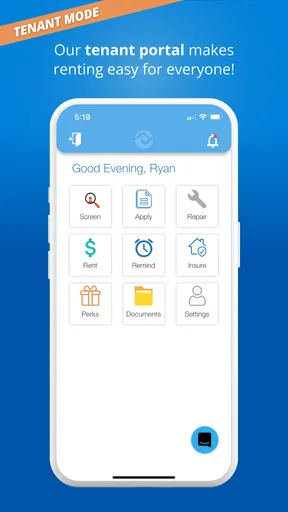
Let’s chat about how tenants can use RentRedi to make life easier. The app lets you pay rent online, and it’s as simple as sending a text. Forget about writing checks or scrambling to find your landlord’s banking details. Everything is organized right there in the app.
For a tenant, the practical benefit is having rent and repair tasks close at hand instead of digging through old messages. Still, I would check the amount, due date, and payment status before treating an action as complete. A payment screen is a convenient record, not a substitute for checking that the amount matches the lease or for keeping any confirmation the app provides. If a payment looks wrong, contact the landlord through the agreed channel rather than making a second payment in a hurry.
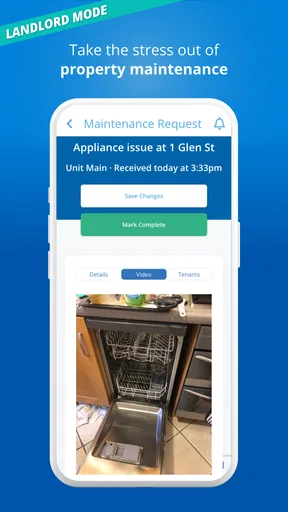
But it’s not just about the money. RentRedi also allows tenants to submit maintenance requests directly through the app. Got a leaky faucet or a broken heater? Just snap a pic, describe the issue, and hit send. No more awkward phone calls or waiting for your landlord to check their emails.
A useful habit is to make each maintenance request specific: describe where the problem is, when you noticed it, and what has changed. A clear photo can help show the condition without requiring a long explanation. For a developing issue, such as a leak, keep a separate note of any immediate steps you took and contact the landlord promptly if the situation needs urgent attention. Submitting a request through an app should not be treated as emergency service.
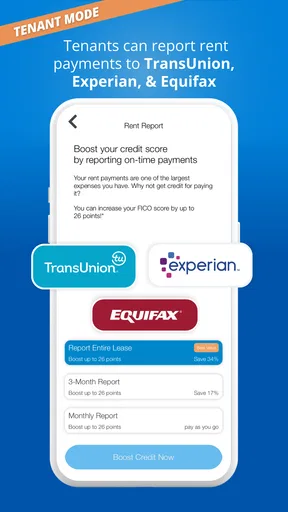
Plus, there’s the added bonus of being able to track your payments and requests. It’s like having your own personal assistant, minus the hefty salary.
That tracking can be especially useful at handover time. If a repair has not been resolved, a tenant can refer to the request rather than trying to reconstruct the story from memory. I would still keep communication respectful and direct: a request record helps establish what was reported, but it does not guarantee a particular response time or outcome. For roommates, sharing the status in plain language can prevent two people from filing duplicate requests about the same fault.
The Landlord’s Toolkit
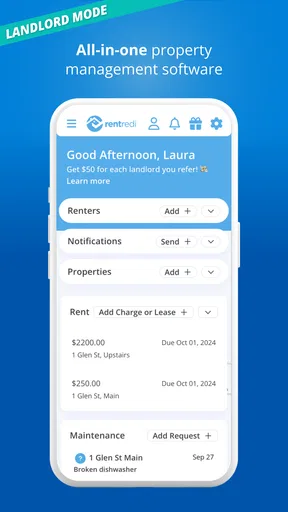
Now, let’s switch gears and talk about how landlords can benefit from using RentRedi. If you’ve ever juggled multiple tenants and properties, you know how chaotic things can get. RentRedi solves this with its all-in-one platform.
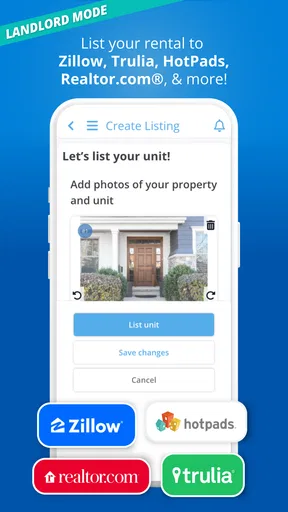
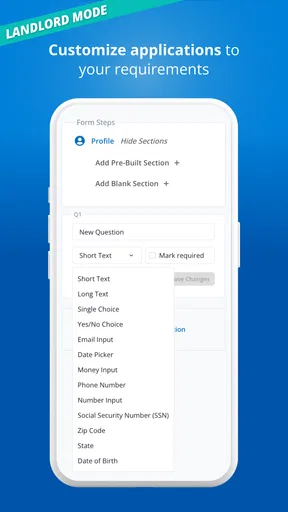
Landlords can manage multiple properties under one roof—virtually speaking, of course. The app lets you list properties, screen tenants, and handle lease agreements. The tenant screening process even includes credit checks and background screenings. Talk about peace of mind!
Those owner tools make the app more relevant to a landlord who wants rental administration and tenant communication together, rather than a tenant who only needs a way to pay rent. Screening is a consequential step, so I would treat the app as a way to handle the process, not as a replacement for careful, consistent decisions or a clear explanation of the landlord’s criteria. Owners should also confirm that the lease details and property information they enter are accurate before relying on them as their working record.
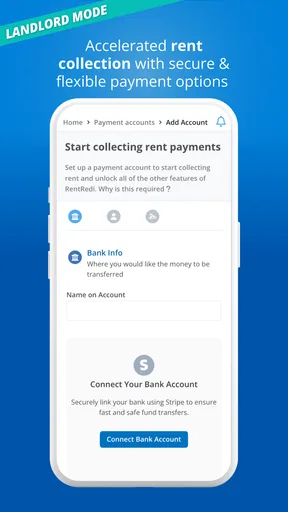
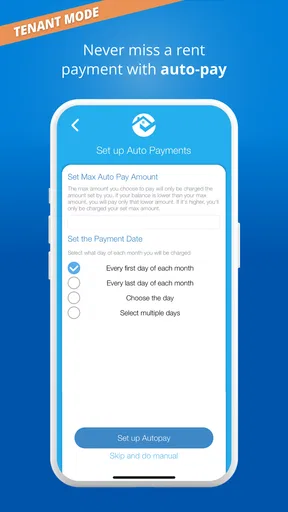
Rent collection is also a breeze. You can set up automated payments and reminders, keeping those awkward “Where’s the rent?” conversations at bay. And just like tenants, landlords can keep track of everything through the app, ensuring nothing falls through the cracks.
Automation can reduce routine chasing, but it is not a reason to stop communicating. A reminder may be useful for a tenant who simply lost track of a date; it can feel confusing if the payment arrangement has changed or a household has agreed on a different plan. I’d use reminders alongside clear lease terms and direct conversation, especially when multiple occupants share responsibility. That is one of the main trade-offs of moving rental administration into software: routine steps become easier to follow, while unusual situations still need human judgment.
Coordination without assuming everyone has the same role
Compared with the usual mix of bank transfers, email threads, and landlord texts, RentRedi’s appeal is that payment and maintenance activity can sit within a rental-focused service. Those familiar alternatives can be perfectly adequate for a single tenant and a responsive landlord, and they may suit people who prefer not to add another app. The difference matters more when an owner manages several properties or when a household needs a clearer trail of routine requests.
For a shared home, I would use the app for the tasks it is designed to support and keep household coordination simple elsewhere. A short message among roommates can say who reported the repair or who is handling the rent, while the official payment or maintenance task stays in the app. This avoids treating the app as a group chat or assuming it has household scheduling and shared-budget tools. Its value is in rental administration, not in replacing every way a household communicates.
Owners can make coordination easier by telling tenants which channel to use for ordinary repairs, how to describe a problem, and what to do if it is urgent. Tenants can ask who in the household should submit requests and whether each occupant should use the service individually. Those questions are worth settling before the first repair arises, rather than after one person assumes another has already notified the landlord.
Age, trust, and support
I know what you’re thinking—what about security? Well, RentRedi has got you covered. The app employs top-notch encryption to ensure all personal and financial information stays safe. Plus, the support team is just a click away if you ever hit a snag.
Because the app handles rental and payment-related tasks, trust should start with ordinary care: use your own account, protect access to your device, and check that you are working with the correct landlord or property details. On a shared device, sign out when appropriate and avoid leaving sensitive screens visible to other household members. A rating or a familiar-looking interface cannot resolve a dispute about a payment or lease; keep important agreements clear and contact the other party when something needs clarification.
The Everyone content rating makes the app broadly suitable by age classification, but I would not interpret that as a reason for a child to manage a household’s lease or payment activity. Adults should remain responsible for rental commitments and account decisions. If a younger household member helps take a repair photo, an adult can decide what to submit and handle the follow-up.
Whether you’re a tech-savvy millennial or someone who still remembers renting with classified ads, RentRedi makes the transition to digital property management smooth and straightforward.
Who will get the most from it?
I’d recommend considering RentRedi if you are a tenant whose landlord uses it for rent and maintenance, or an owner who wants those recurring jobs in a single rental-focused place. It is less compelling if your landlord does not use the service, if you only need to make an occasional payment, or if your household already has a reliable process that everyone understands. An app cannot coordinate with a property owner who is not using it, so check that the other side is ready before building your routine around it.
For someone comparing it with ordinary bank transfers and email, the decision is about organization rather than novelty. Direct transfers may feel simpler for a one-off arrangement, but they can leave repair reports and payment conversations spread across different channels. RentRedi is a better fit when keeping those rental tasks together is worth learning another interface. I would not choose it solely on the promise of eliminating every awkward conversation; it can make the record clearer, but it cannot settle disagreements by itself.
Final Thoughts
In a nutshell, RentRedi is a game-changer for both tenants and landlords. It simplifies the rental process and offers a suite of features that make managing properties almost enjoyable. If you’re in the rental market and want to save time and avoid stress, giving RentRedi a whirl might just be the best decision you make this year. Happy renting!
My more measured take is that it is a useful option when both sides are willing to make it part of their routine. Tenants get a convenient place for rent and repair activity, while landlords can handle recurring property tasks and keep track of them. The main caveat is that app-based records do not remove the need to confirm details, agree on household responsibilities, or contact someone directly when a situation is urgent or unclear.
Before relying on it, I would ask the landlord which tasks they expect tenants to complete in the app, how shared rent should be handled, and what channel to use for urgent maintenance. Those few answers make it easier to tell whether RentRedi will genuinely reduce friction in your home. If the answers fit your arrangement, it can bring useful structure to renting; if not, a simpler method both sides already follow may be the better choice.
Pros
- User-friendly interface for easy navigation.
- Comprehensive rent management tools.
- Secure payment processing system.
- Instant maintenance request feature.
- 24/7 customer support available.
Cons
- Limited offline functionality.
- Subscription model can be costly.
- Some features require premium access.
- Occasional app performance lags.
- Limited language support.
FAQs for RentRedi for Tenants & Owners
What features does RentRedi offer for tenants and landlords?
RentRedi provides a comprehensive platform for both tenants and landlords. Tenants can pay rent online, submit maintenance requests, and access important documents. Landlords benefit from features like tenant screening, listing syndication, and automated rent collection. The app streamlines communication and management to ensure a seamless rental experience for all parties involved.
Is RentRedi secure for handling payments and personal information?
Yes, RentRedi prioritizes user security by employing encryption and secure servers to protect personal and financial information. The platform integrates with trusted payment processors to ensure that online transactions are safe and reliable, offering peace of mind for both tenants and landlords when dealing with financial exchanges.
Can RentRedi be used on both Android and iOS devices?
Absolutely, RentRedi is available on both Android and iOS platforms. Users can download the app from the Google Play Store or Apple App Store, ensuring compatibility with a wide range of devices. The app is designed to offer a consistent and user-friendly experience across all supported devices.
How does RentRedi handle maintenance requests from tenants?
Tenants can easily submit maintenance requests through the RentRedi app, providing details and even attaching photos if necessary. Landlords receive instant notifications and can manage these requests efficiently, either by addressing them directly or coordinating with service professionals, ensuring timely and effective maintenance solutions.
Does RentRedi offer customer support if I encounter issues?
Yes, RentRedi provides customer support to assist users with any issues or questions. Support is accessible through various channels, including email and in-app messaging, ensuring users receive timely help. The platform also features a comprehensive help center with guides and FAQs to address common concerns.


